
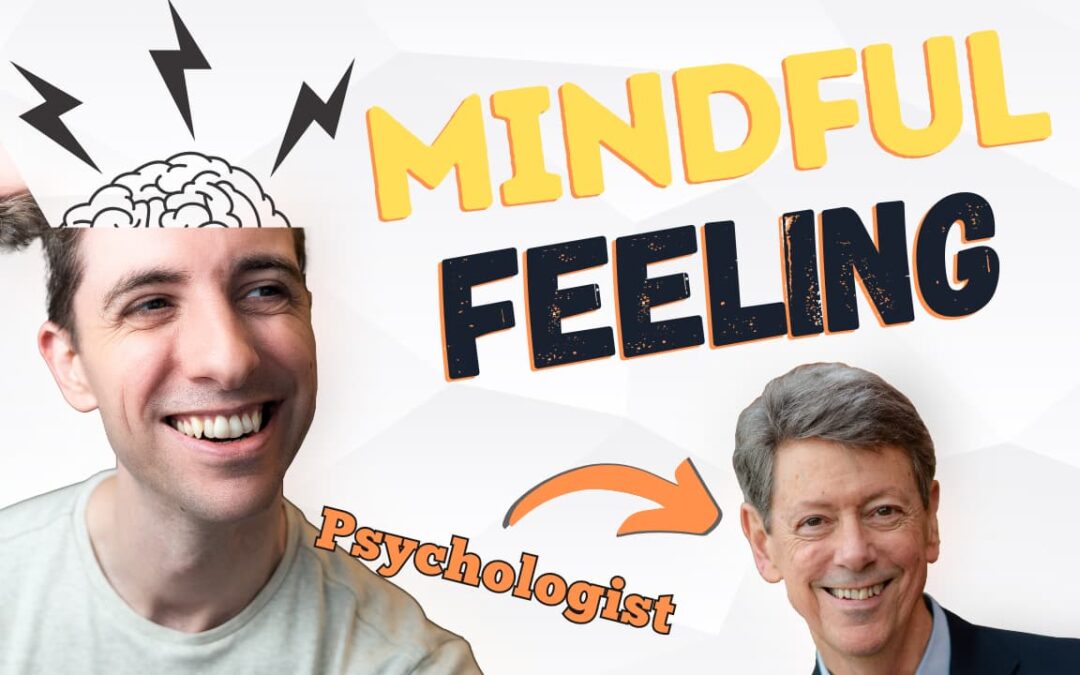
Being Well Podcast: Deeper Mindfulness with Dr. Danny Penman
Author and meditation teacher Dr. Danny Penman joins the show to explore how we can help our brain interpret the world more accurately.

Author and meditation teacher Dr. Danny Penman joins the show to explore how we can help our brain interpret the world more accurately.
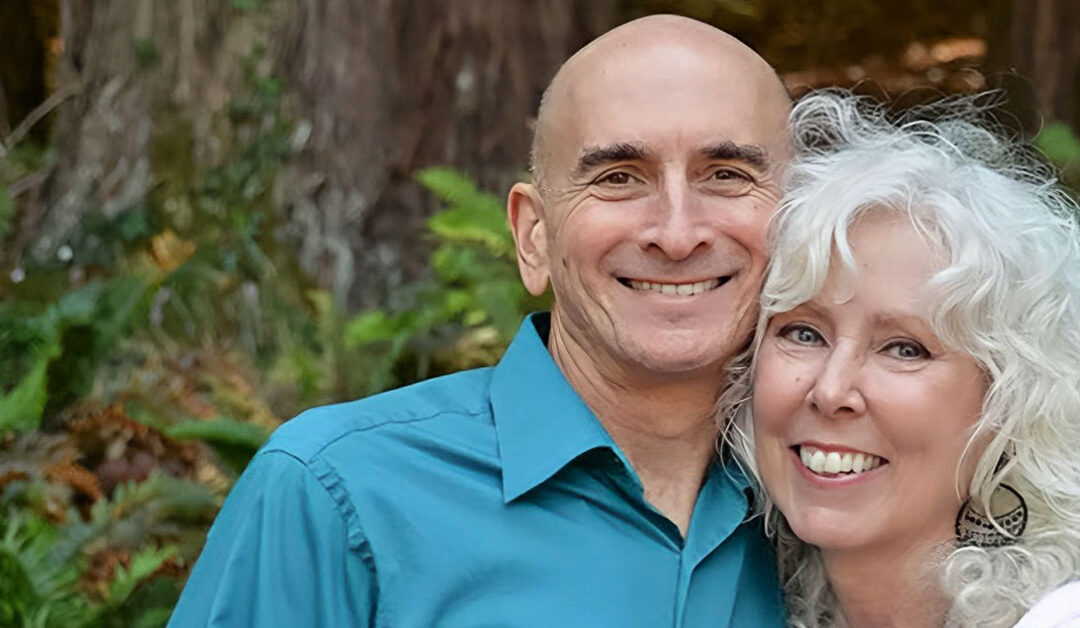
In this weekly live meditation and talk from Saniel and Linda, they focused on Greenlighting, the Green Zone, and Maximizing Your Joy.
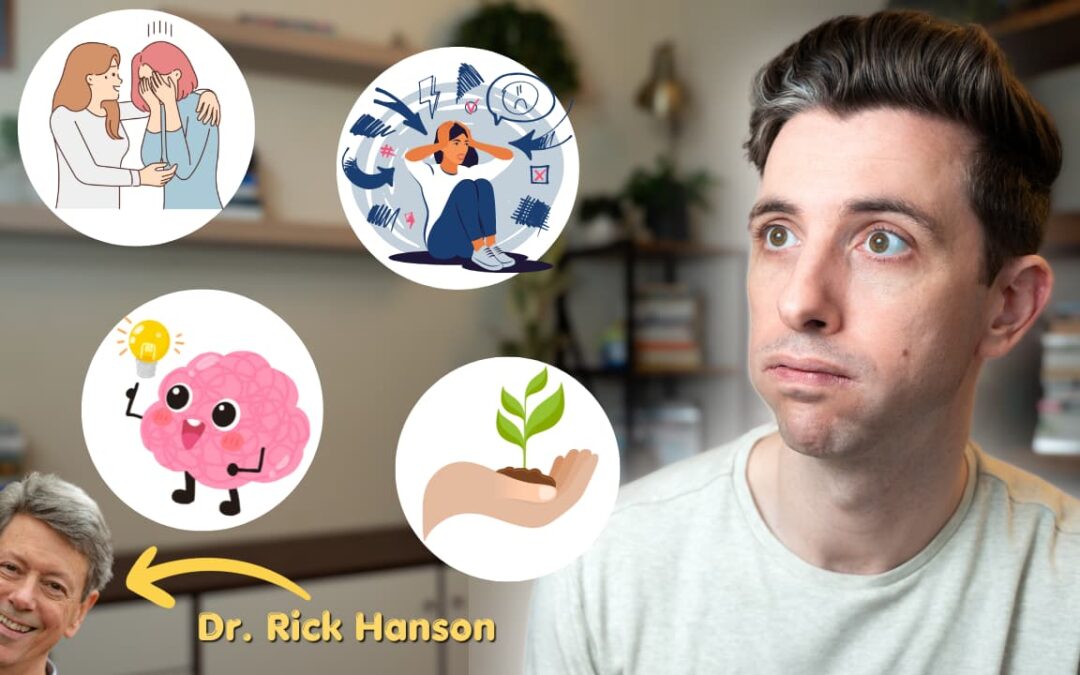
Forrest and Dr. Rick open up the mailbag to answer questions from listeners. How can we understand and support someone going through a mental health crisis? Is meditation enough to heal trauma? And what can we do about family members that just won’t change?
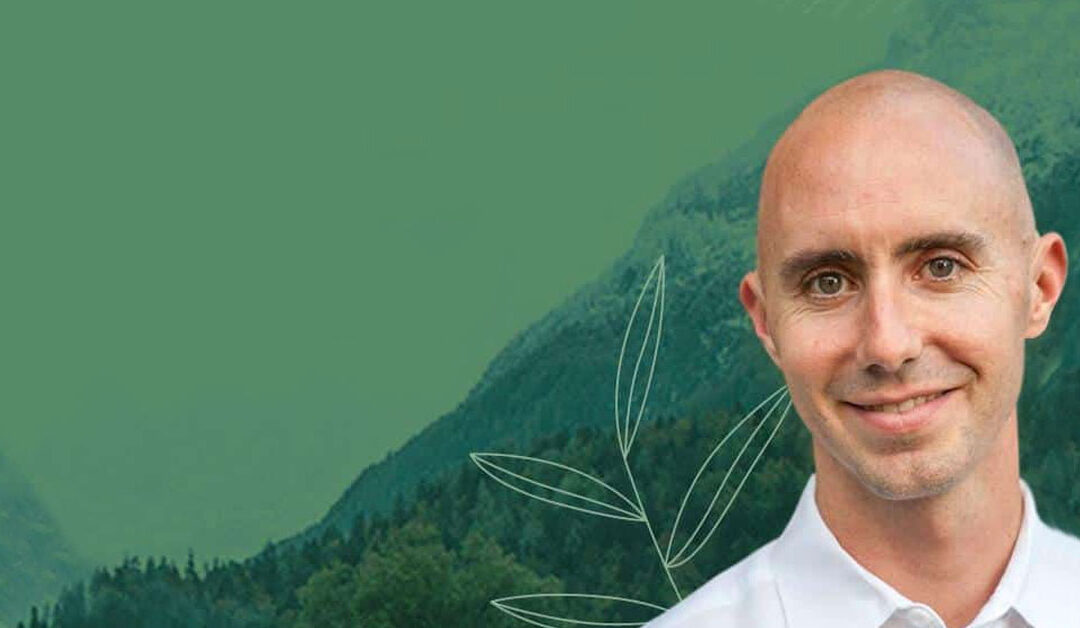
In this weekly live meditation and talk from Sean Fargo, he focused on Appreciating Life Through Mindfulness of Death.

We’re joined by Dr. Richard Schwartz, creator of the Internal Family Systems model of therapy, to explore how we can integrate all the aspects of who we are.

In this weekly live meditation and talk from Dr. Rick Hanson, he focused on The Wise Effort of Letting Go of Self.
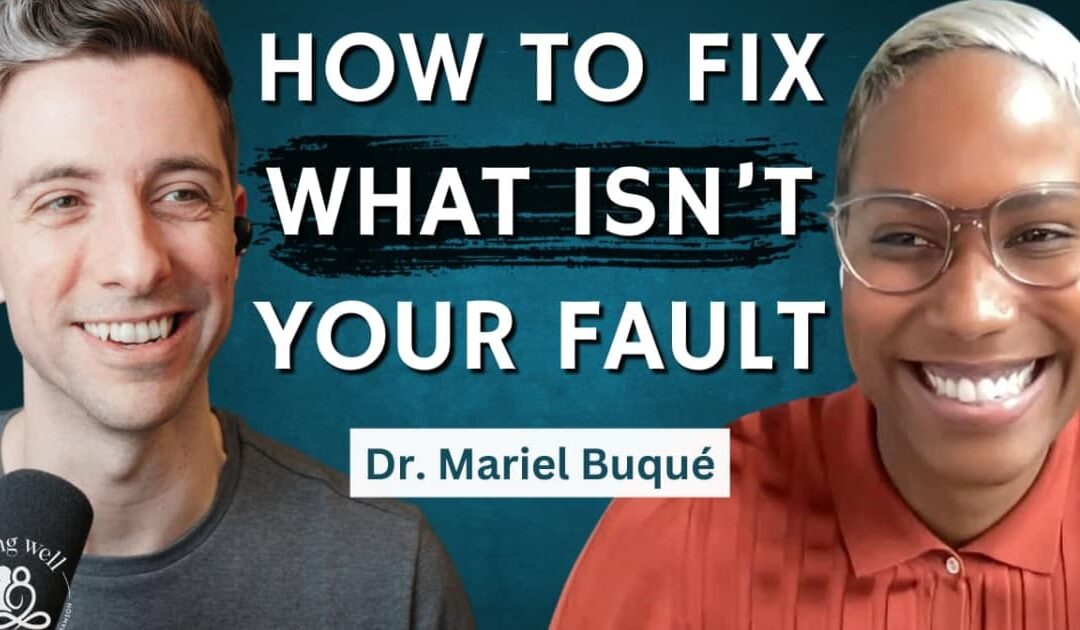
Dr. Mariel Buqué joins the podcast to help us learn how we can heal from the past, create healthier patterns, and break cycles of trauma.

In this weekly live meditation and talk from Dr. Rick Hanson, he focused on What Are You Doing Here? The Why and the How of Buddhist Practice.

Dr. Rick Hanson and Forrest kick off the new year by exploring how we can relate to the past, plan for the future, and get more from 2024.

This Wednesday Night Meditation included a 29-minute meditation and a 53-minute talk about How to Let Go.

This Wednesday Night Meditation included a 34-minute meditation and a 47-minute talk about Caring More . . . and Caring Less.

Forrest and Elizabeth welcome listeners into their home to talk about their changing relationship with the holidays and finding your joy.
Dr. Rick joins Forrest for a deep dive into harnessing our natural generativity. How can we become more productive and creative, experience greater satisfaction, and lean into our biological drives to get more of what we want out of life?

This Wednesday Night Meditation included a 34-minute meditation and a 47-minute talk about Right Effort . . . about Right Effort!