
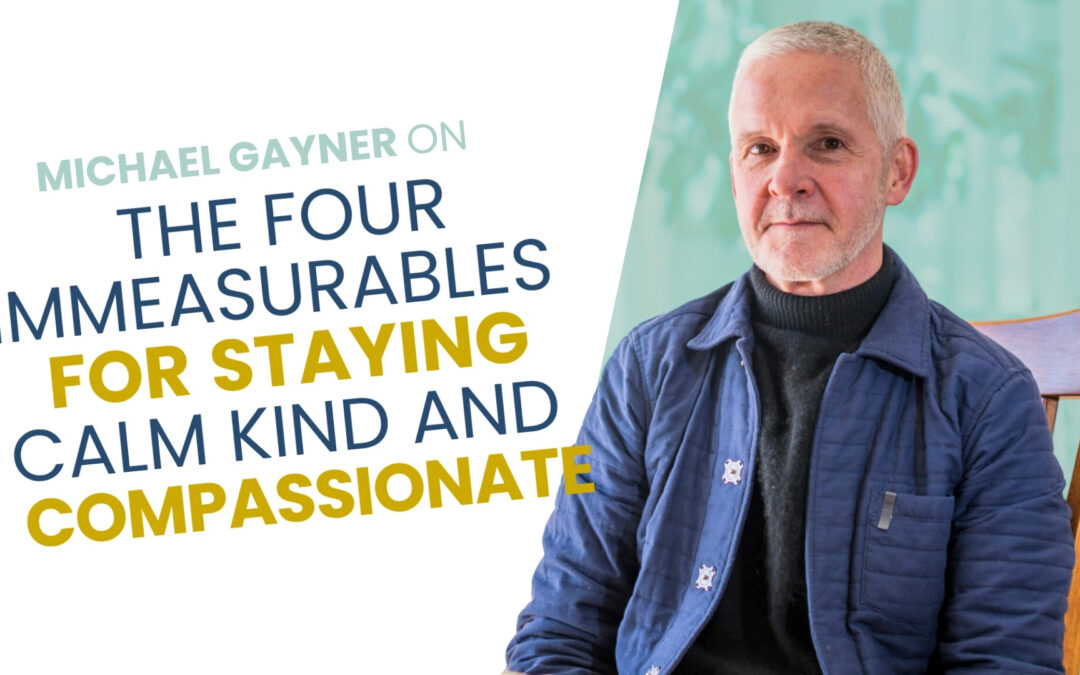
Talk + Meditation: The Four Immeasurables for Staying Calm, Kind, and Compassionate
Michael Gayner explores equanimity, loving-kindness, compassion, and joy—and how to return to these qualities when difficult emotions take over.

Michael Gayner explores equanimity, loving-kindness, compassion, and joy—and how to return to these qualities when difficult emotions take over.

We need to recognize genuinely bad news so we can protect ourselves and others. The root cause of suffering and harm is ignorance, illusion, not seeing things as they actually are. See the facts and live in the light, we feel freer, at ease, unthreatened, confident, overflowing, loved, and loving.
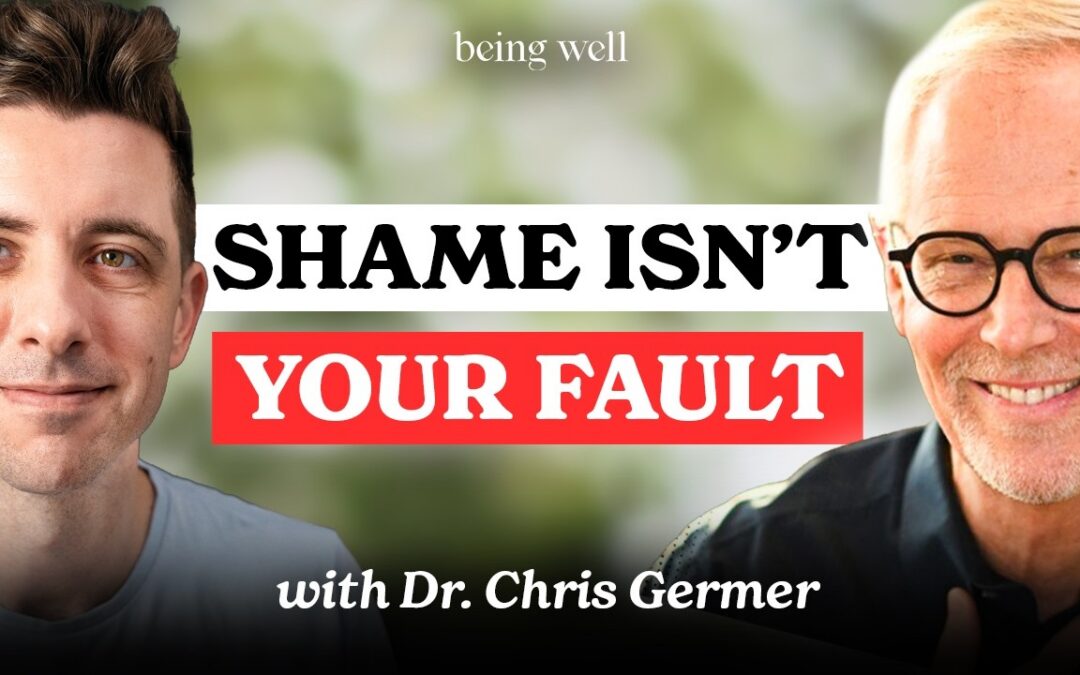
Dr. Chris Germer, co-developer of the Mindful Self-Compassion program, joins Forrest to discuss how we can go about treating shame with self-compassion.
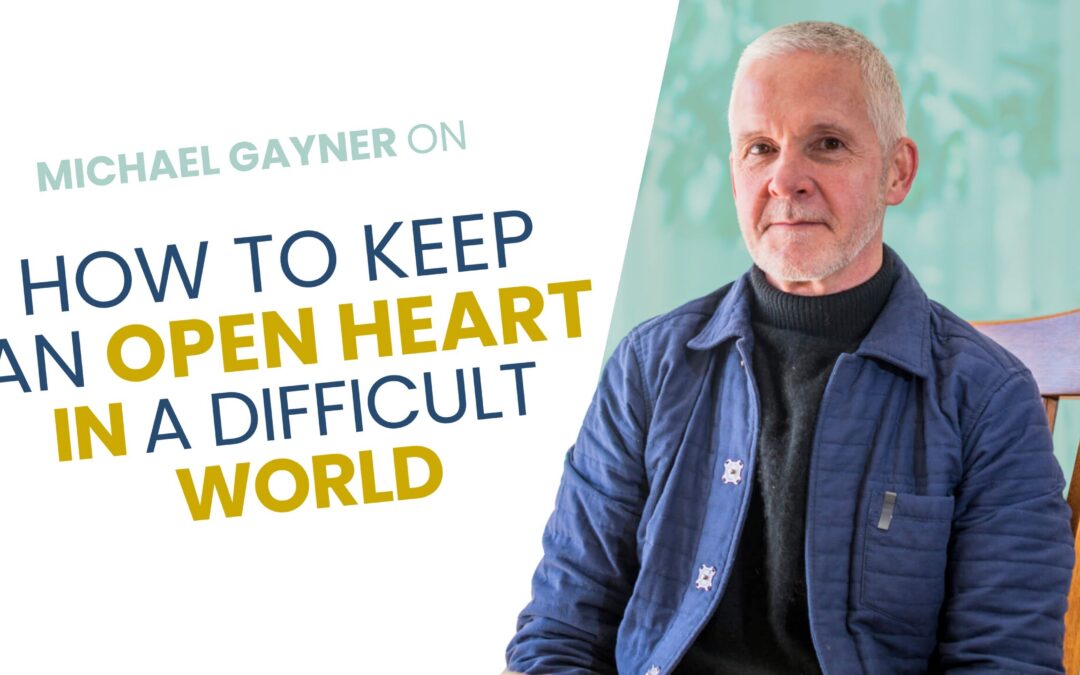
Explore four qualities that can help you meet yourself, other people, and even difficult experiences with greater wisdom and care .
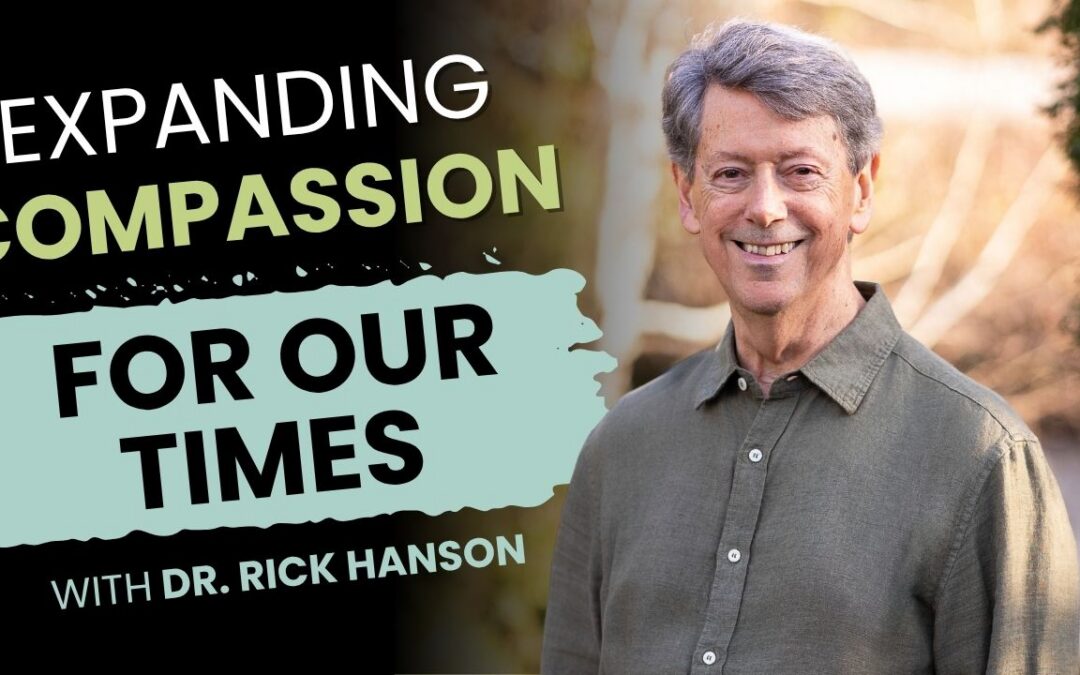
Compassion can expand beyond empathy for those who are like us.

Choose to love. Love is more about us being loving than about other people being lovable. In fact, choosing to love is twice loving: it’s a loving act to call up the intention to love, plus there is the love that follows.
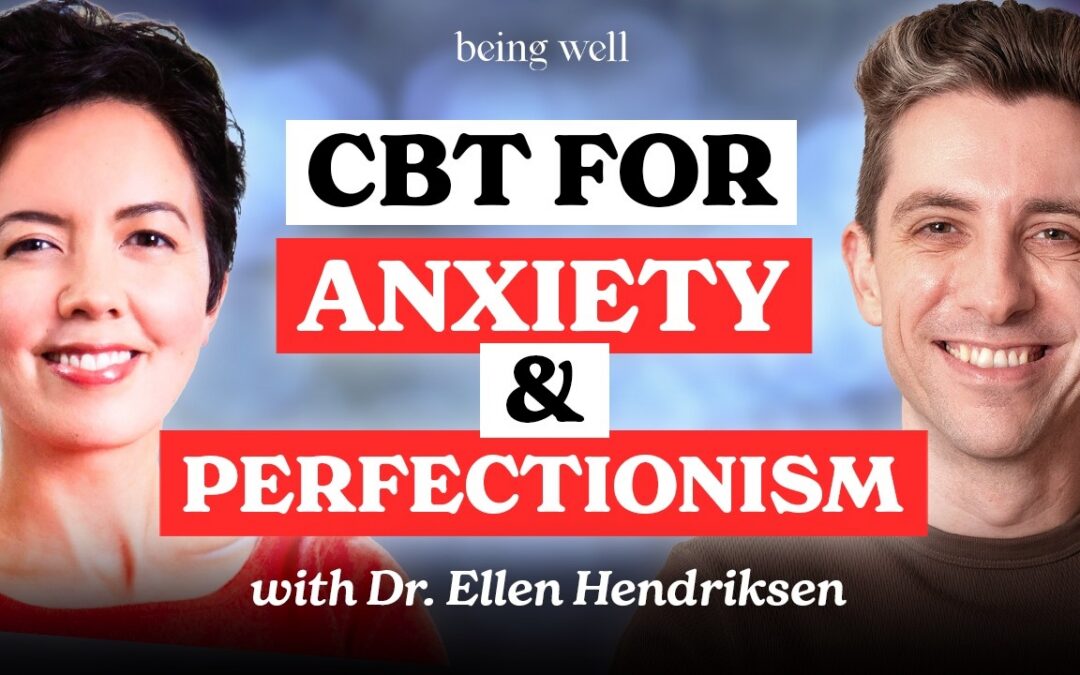
Clinical psychologist Dr. Ellen Hendriksen joins Forrest to talk about what Cognitive Behavioral Therapy is, its history, its strengths and weaknesses, and why it’s gotten such a bad rap.
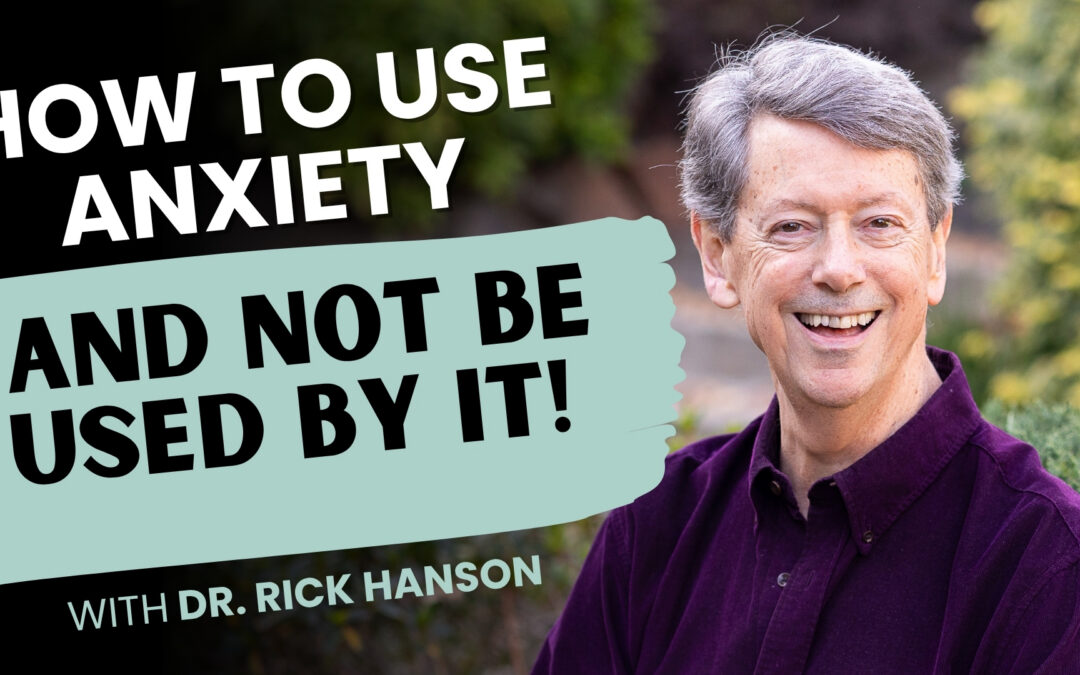
Anxiety can be useful — until it isn’t. Learn how to listen to what worry is telling you, then let go of what you don’t need.

There are three elements of tone: 1) Explicit content 2) Emotional subtext 3) Implicit statement about the nature of the relationship.

Pain psychologist Dr. Rachel Zoffness joins Forrest and Dr. Rick to explore what pain is, why it can persist long after an injury has healed, and what actually helps.
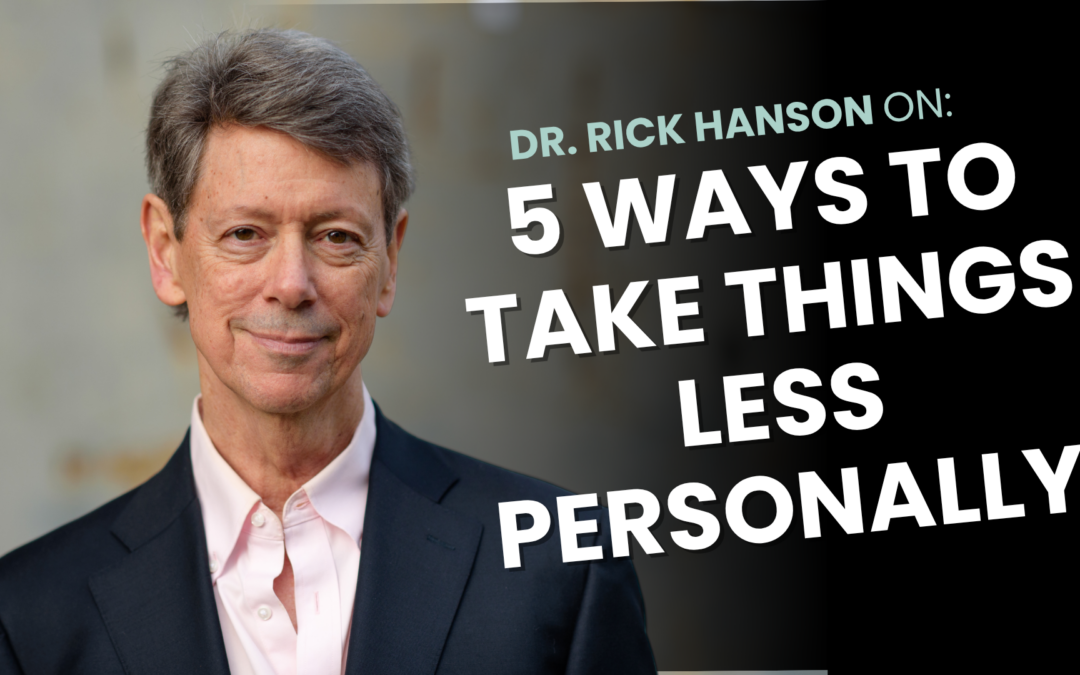

Feeling cared about buffers against stress, increases positive emotions, promotes resilience, and increases caring for others. Learn how to feel cared about to gradually fill any holes in your heart.
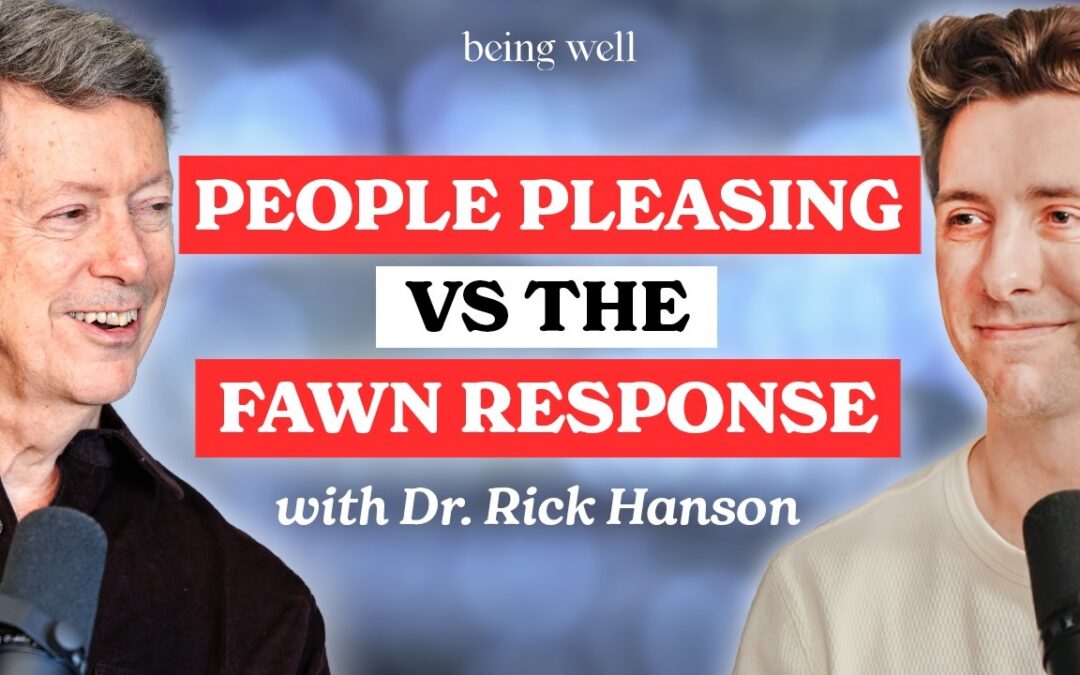
Dr. Rick and Forrest talk about what separates people-pleasing from the fawn response, and why those differences affect what actually helps.
Healthy boundaries can bring more freedom, peace, and connection to our relationships.

Is it hard to believe you are a good person? Try to take in the good of feeling cared about; recognize goodness in your acts of thought, word, and deed. Enjoy this beautiful goodness, so real and so true.