

Try a Softer Tone
There are three elements of tone: 1) Explicit content 2) Emotional subtext 3) Implicit statement about the nature of the relationship.

There are three elements of tone: 1) Explicit content 2) Emotional subtext 3) Implicit statement about the nature of the relationship.

Kindness to others is enlightened self-interest. Compassion and kindness expresses an inner freedom.

Often it’s words and the accompanying tone that actually do the most damage. Your ability to speak wisely can prevent lasting emotional pain.

People are more sensitive to tone. To paraphrase the poet Maya Angelou, people will forget what you said, but they’ll remember how you made them feel.

Try considering your contributions as offerings, particularly the little things. Listen to your heart for offerings calling to be expressed. Maybe it’s the offering of never speaking out of anger, or really starting that novel, or determining to give love each day.
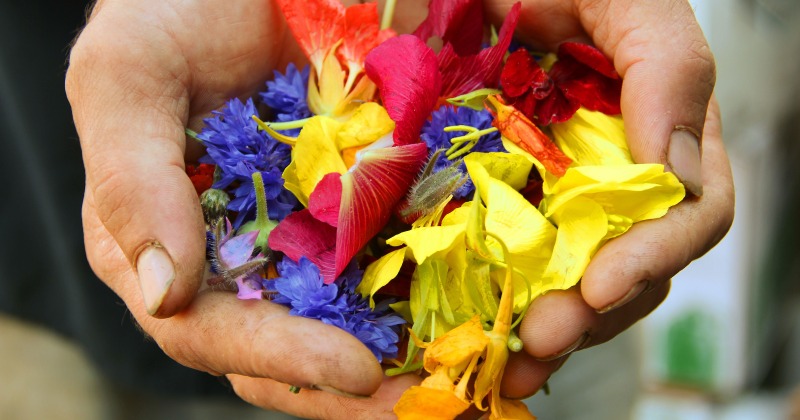
Liking feels good, it encourages us to approach and engage the world. Know what benevolence feels like in your body, heart, and mind, and realize that it is natural and normal. Appreciate some of the benevolence that buoys you along. Most people are fair-minded, empathic, cooperative, compassionate, and kind: in a word, benevolent.

Imagine being aware of the surface behavior of the people around you but oblivious to their inner life while they remain unmoved by your own.

What can you do when there’s nothing you can do? Love Someone. Sometimes something happens. Perhaps your cat takes a turn for the worse, there’s a money problem, or it’s on a larger scale: maybe there’s been an election and you’re grappling with its

We’re halfway through a very strange year, and it’s a good time to take stock, check in with ourselves, and establish some new commitments – even if they’re as simple as being kind to ourselves. When things happen *to* us, as they have in many ways this year, it’s easy to feel helpless. One way we can reclaim our experience of agency is by finding where we *do* still have influence over our outcomes. And that’s what Forrest and I explore in this episode: how to start anew under the circumstances we find ourselves in.

Is it possible to “do no harm,” and should we even try? In today’s episode, Forrest and I explore what it means to do no harm, and the resources that can allow us to do as little as possible.