

From the Blog
Writings on Well-Being Dr. Rick Hanson

Back to Basics
By taking care of the basics, everything else usually takes care of itself.
Get these articles delivered directly to your inbox every week.
"*" indicates required fields

Being Well Podcast: How to Break Relationship Patterns: Resolving Conflict and Communicating Your Needs
Learn how to break relationship patterns, resolve recurring conflicts, and get your relationships—romantic or otherwise—moving forward again.

Talk + Meditation: What Is It To Truly Come Home?
Guest teacher Stephanie Noble explores finding refuge in meditation, community, and compassion when life feels overwhelming.

Vote
Sometimes it’s natural to feel stunned, shocked, powerless. And natural to be flooded with rage or fear or an overwhelming sorrow. Still, even in the midst of all this, you can be mindful: aware and present, and not entirely swept away. Then at some point, you take a breath and look around and try to figure out what to do. One thing to do is to vote.
Being Well Podcast: How to Fix Insomnia: CBT-I with Dr. Ashley Mason
Forrest is joined by Dr. Ashley Mason, a clinical psychologist and sleep researcher at UCSF, to discuss Cognitive Behavioral Therapy for insomnia (CBT-I).
Talk + Meditation: How to Heal What’s Been Missing in Your Life
Learn how to heal unmet emotional needs, fill the empty places inside, and build a lasting sense of wholeness.

Give Them What They Want
It’s easy to give someone what they want. It is a matter of what you want to give. It can be stressful when others want things from you. There’s a sweet spot from which you can respond with both compassion and ease.
Being Well Podcast: How to Accept the Parts of Yourself You Don’t Like
Forrest and Dr. Rick focus on how to accept the parts of ourselves we don’t like.
Talk + Meditation: How to Heal the Emotional Baggage You’ve Been Carrying
Learn the neuroscience of how to heal old emotional wounds and find the right antidote for painful patterns.

Accept Them as They Are
In what ways do you wish that people were different? See what it feels like to stop resisting what another person is like while also taking care of your own needs in the relationship. Acceptance is a gift that gives back.
Being Well Podcast: Self-Acceptance: How to Accept Yourself Without Giving Up on Change
Dr. Rick and Forrest discuss what self-acceptance is, what it isn’t, and why it’s the starting point for real change.
Talk + Meditation: The Four Immeasurables for Staying Calm, Kind, and Compassionate
Michael Gayner explores equanimity, loving-kindness, compassion, and joy—and how to return to these qualities when difficult emotions take over.

Find the Good News
We need to recognize genuinely bad news so we can protect ourselves and others. The root cause of suffering and harm is ignorance, illusion, not seeing things as they actually are. See the facts and live in the light, we feel freer, at ease, unthreatened, confident, overflowing, loved, and loving.
Being Well Podcast: Treating Shame with Self-Compassion with Dr. Chris Germer
Dr. Chris Germer, co-developer of the Mindful Self-Compassion program, joins Forrest to discuss how we can go about treating shame with self-compassion.
Talk + Meditation: How to Keep an Open Heart in a Difficult World
Explore four qualities that can help you meet yourself, other people, and even difficult experiences with greater wisdom and care .
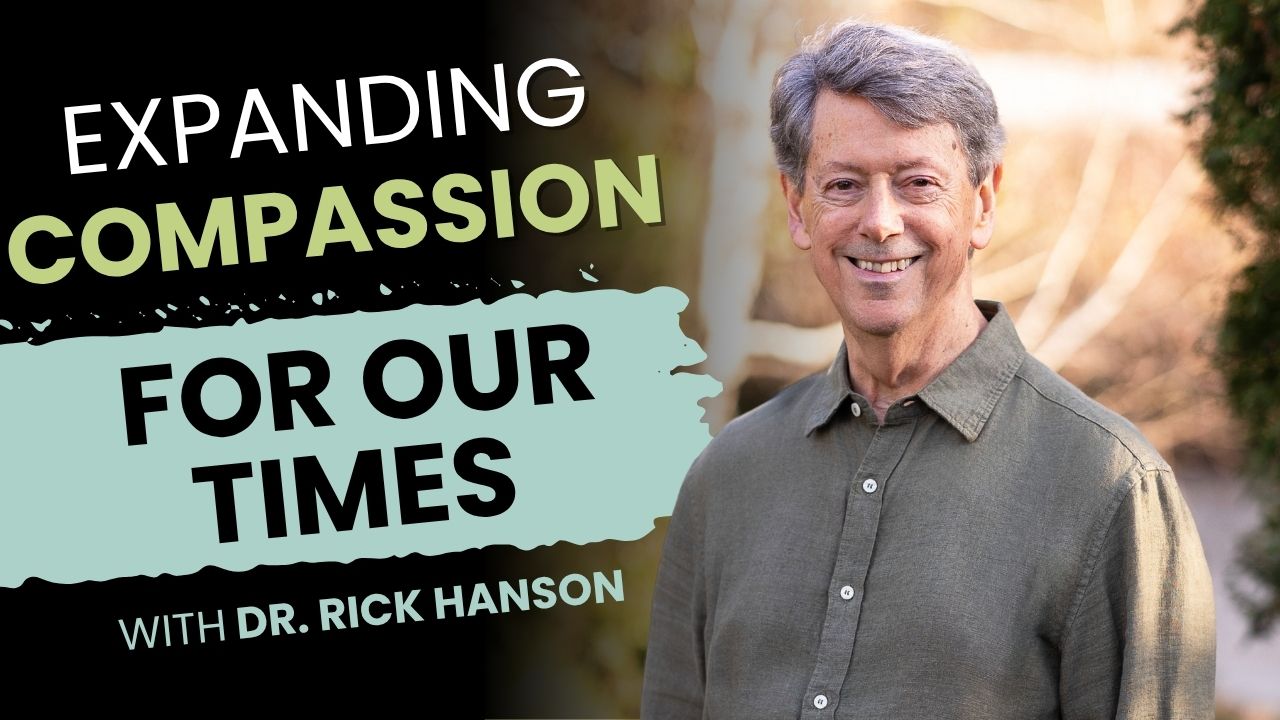
Expanding Compassion for Our Times
Compassion can expand beyond empathy for those who are like us.

Choose To Love
Choose to love. Love is more about us being loving than about other people being lovable. In fact, choosing to love is twice loving: it’s a loving act to call up the intention to love, plus there is the love that follows.
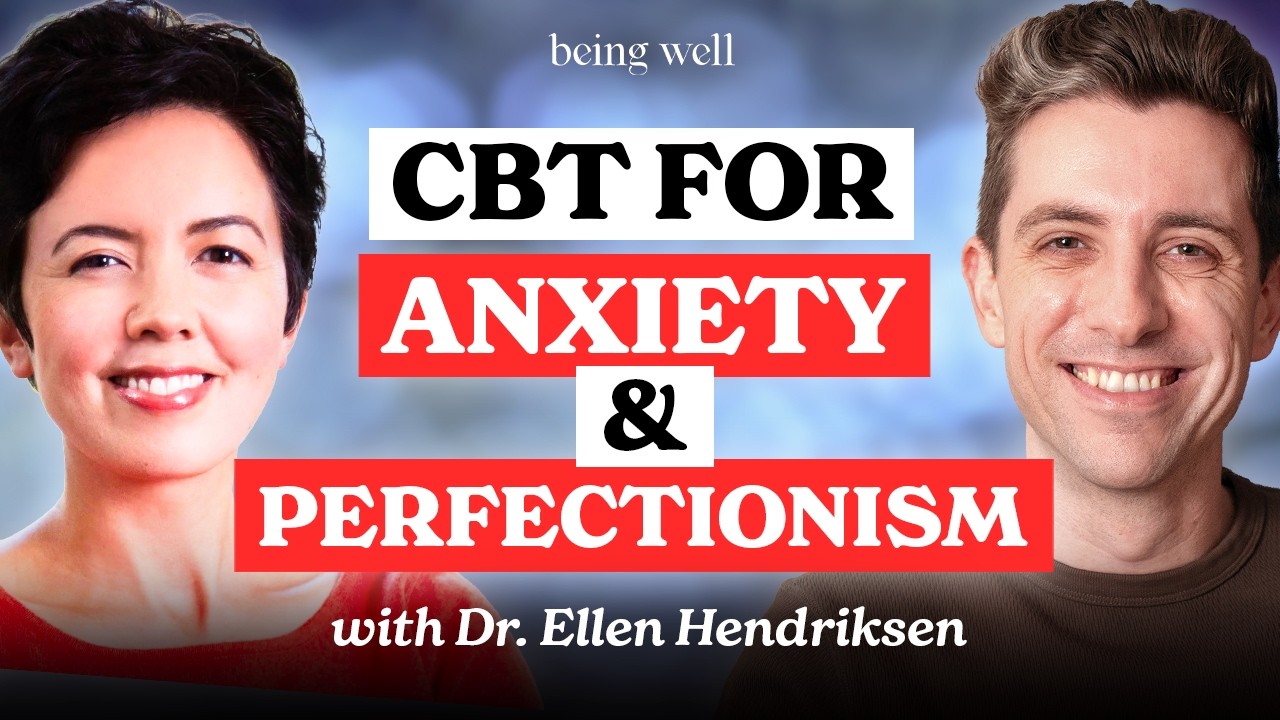
Being Well Podcast: Cognitive Behavioral Therapy: What the Critics Get Right (and Wrong) with Dr. Ellen Hendriksen
Clinical psychologist Dr. Ellen Hendriksen joins Forrest to talk about what Cognitive Behavioral Therapy is, its history, its strengths and weaknesses, and why it’s gotten such a bad rap.
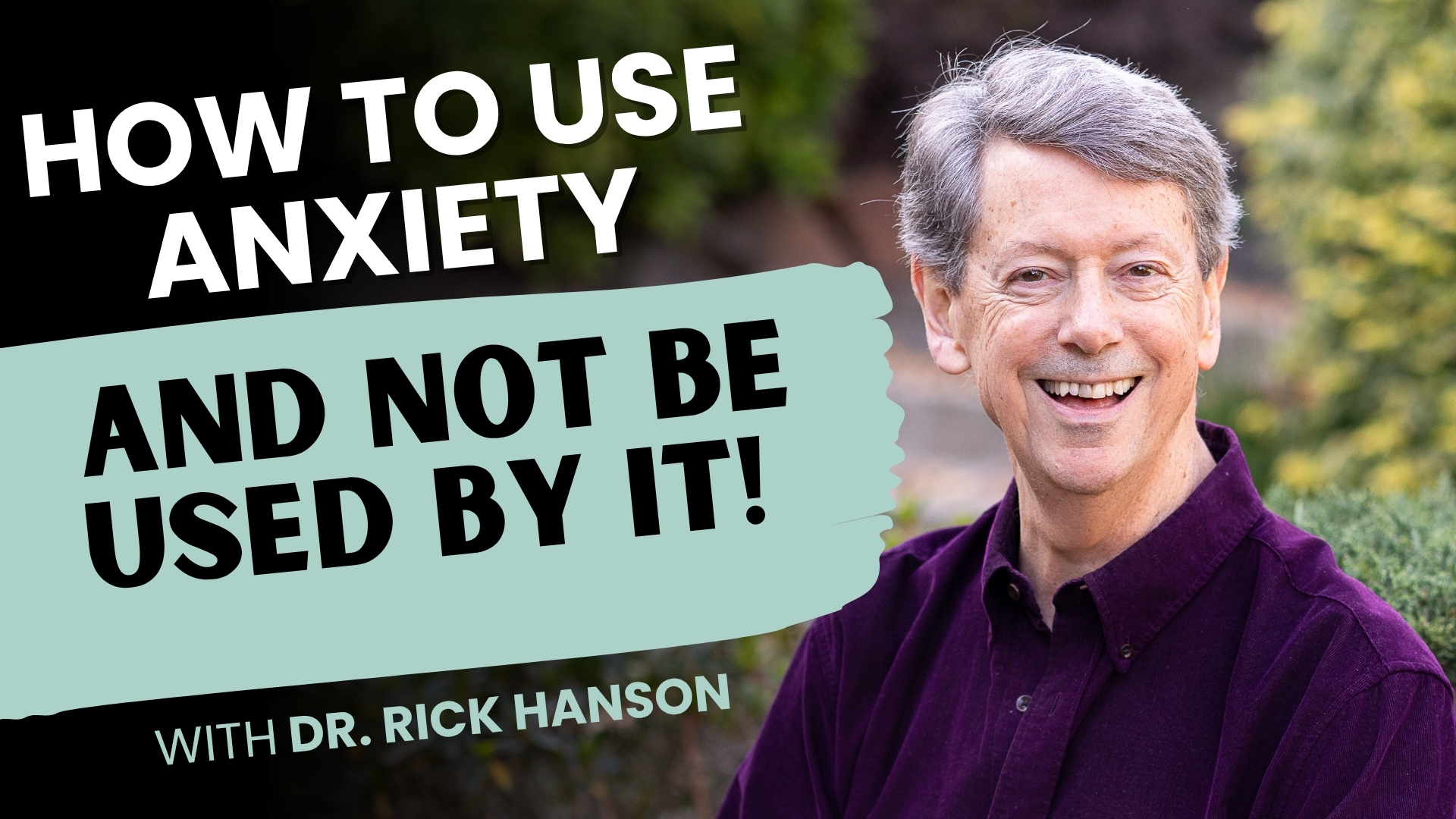
Talk + Meditation: How to Use Anxiety – and Not Be Used by It!
Anxiety can be useful — until it isn’t. Learn how to listen to what worry is telling you, then let go of what you don’t need.

Try a Softer Tone
There are three elements of tone: 1) Explicit content 2) Emotional subtext 3) Implicit statement about the nature of the relationship.
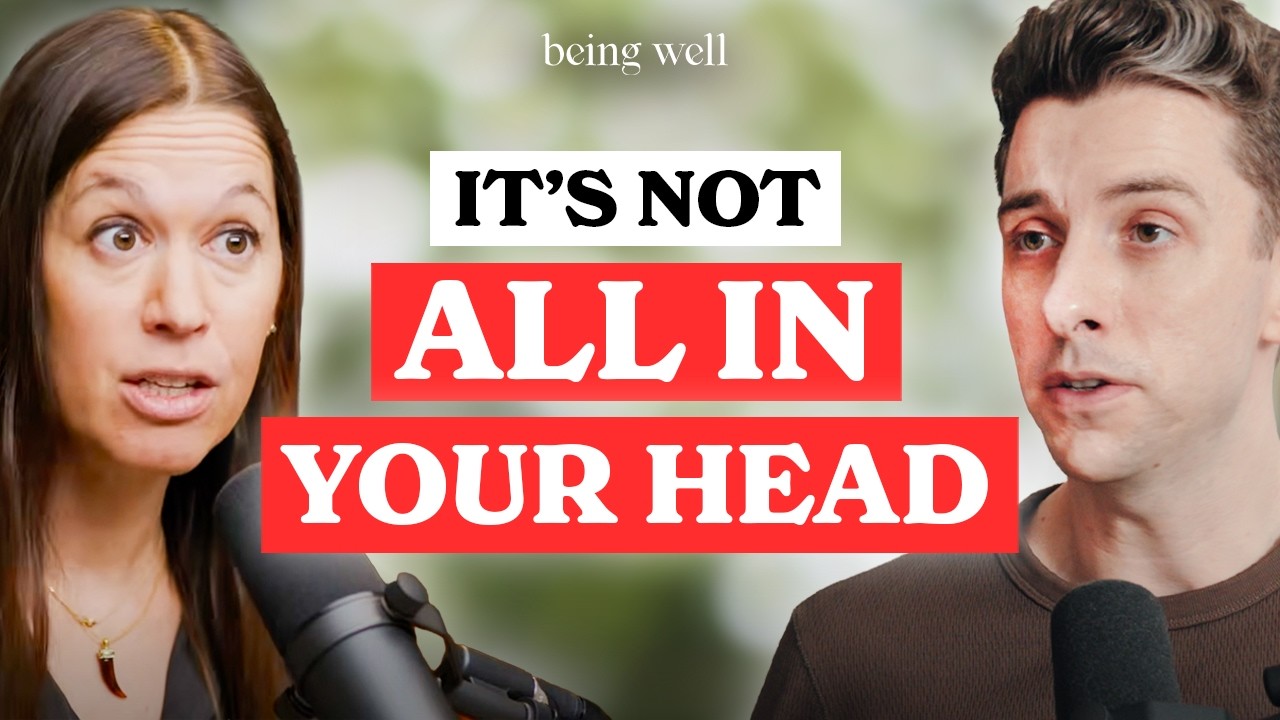
Being Well Podcast: Understanding Pain with Dr. Rachel Zoffness
Pain psychologist Dr. Rachel Zoffness joins Forrest and Dr. Rick to explore what pain is, why it can persist long after an injury has healed, and what actually helps.

Talk + Meditation: 5 Ways to Take Things Less Personally
Life is going to bump into us. People will disappoint us, criticize us, misunderstand us, drop the ball, or sometimes genuinely treat us badly. The question is how to deal […]