

Moms deal with so many feelings and needs and wants in her children and partner that the stress builds up over the course of a day. Here’s a summary of practical methods for letting go.

Rick Hanson
Author / Psychologist
Follow on:
Expertise
Biography
Rick Hanson, Ph.D. is a psychologist, Senior Fellow at UC Berkeley’s Greater Good Science Center, and New York Times best-selling author. His eight books have been published in 33 languages and include Hardwiring Happiness, Buddha’s Brain, Resilient, Neurodharma, Just One Thing, Making Great Relationships, A Happy, Healthy Mom, and Mother Nurture – with over a million copies in English alone. He's the founder of the Global Compassion Coalition and the Wellspring Institute for Neuroscience and Contemplative Wisdom, as well as the co-host of the Being Well podcast – which has been downloaded over 30 million times. He offers free newsletters, and his online programs have scholarships available for those with financial needs. He’s lectured at NASA, Google, Oxford, and Harvard. An expert on positive neuroplasticity, his work has been featured on CBS, NPR, the BBC, and other major media. He began meditating in 1974 and has taught in meditation centers worldwide. He and his wife live in northern California and have two adult children. He loves the wilderness and taking a break from emails.
Articles
Rick talks about the insight into the nature of all experience.
How Hard Times Can Open the Heart
From Rick Hanson’s 2016 Psychotherapy Networker Symposium keynote address, “How Hard Times Can Open the Heart”
Where’s Dad?
These days, dads too (like moms) are pulled in different directions by changing expectations about their proper role in the family coupled with unrelenting pressures to be a successful breadwinner. Find out how to be an excellent team player in the role of childrearing.
Human Need for Refuge
From Rick Hanson’s 2016 Psychotherapy Networker Symposium keynote address, “How Hard Times Can Open the Heart”

The Neurology of Awakening: Using the New Brain Research to Deepen Your Practice – Selected Readings
A selection of books about the brain and buddhism referenced throughout The Wise Brain blog postings.

The Neurology of Awakening
Learn the methods of the Neurology of Awakening, as well as a list of nutritional supports for inner peace presented at the follow-up workshop on Awakening Your Brain.
Empathy for a Partner
It is often true that parents wish their partners understood them more. Here we explore empathy for a father.
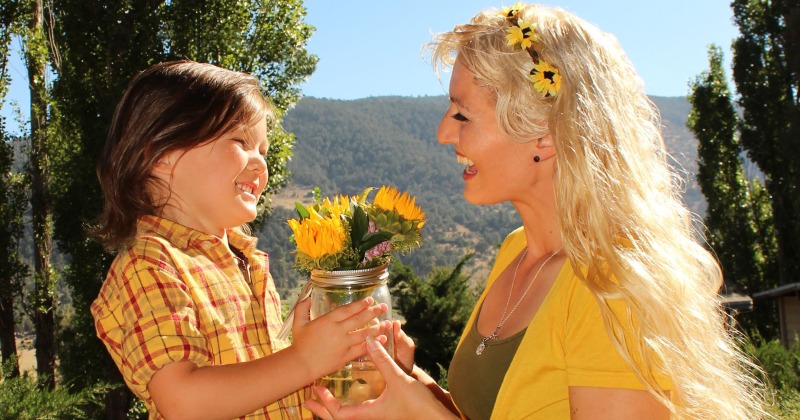
Giving Is Good: Generosity from Everyday, Buddhist, and Evolutionary Perspectives
Giving is the first of the ten “paramis” or perfections of a Bodhisattva, a highly Awakened person who postpones his or her ultimate enlightenment to bring all beings to liberation. You can read this article within a Buddhist framework or simply for its reflections on the deeply human, widespread, and everyday matter of giving.
Getting a Father to Help More with the Baby
Many new fathers – not all, to be sure – love their children enormously . . . but from a safe distance. Here we’ll discuss a variety of ways to get dad more involved with the baby.

The Brain in Lust and Love
The marvelous human capabilities for understanding each other, and feeling understood, developed in the brain over millions of years. Learning about these can help you understand and work better with your own empathic capabilities.

Relax your Body
Most people these days feel pretty stressed. Plus often worried or angry about one thing or another, such as finances, their job, the health of a family member, or a relationship on the rocks.