
From the Blog
Writings on Well-Being Dr. Rick Hanson
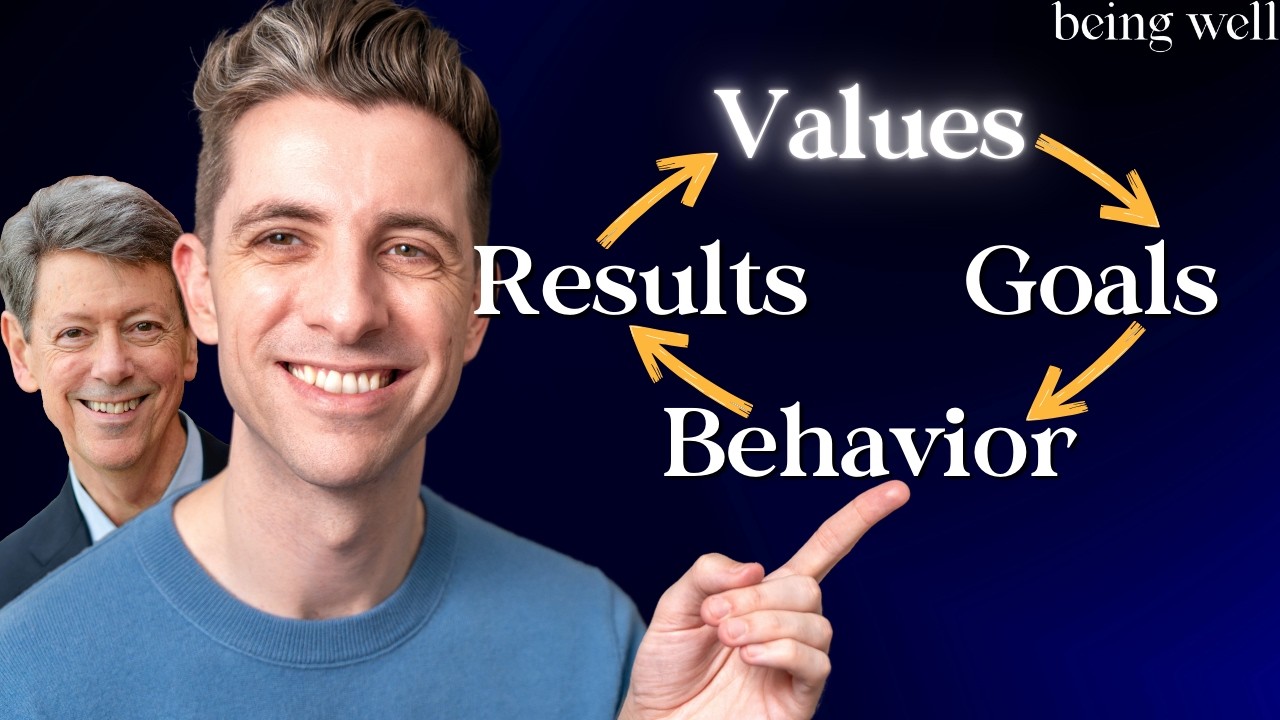
Being Well Podcast: How to Create a Year You’ll Love
Dr. Rick and Forrest explore how we can put our key values into action in 2026.
Get these articles delivered directly to your inbox every week.
"*" indicates required fields
How Gratitude Can Change Your Life
”Without gratitude, life can be lonely, depressing and impoverished. Gratitude enriches human life. It elevates, energizes, inspires and transforms, and those who practice it will experience significant improvements in several areas of life including relationships, academics, energy level and even dealing with tragedy and crisis.”
Using the Will: Key Points
Using the will means helping yourself to want the good thing, to stick with your good resolutions and intentions easily, without white-knuckling. It’s a combination of virtue and good purposes.
How to Master the Superpower that Builds All Other Powers
In this episode – we go deep on mastering the superpower that underpins all other powers, how your brain’s automatic survival mechanism tilts you towards unhappiness, growing the mental resources to deal with the biggest challenges of your life
Train Your Brain: Taking in the Good – Key Points
In a profound sense, we are what we remember – the slow accumulation of the registration of lived experience. That’s what we have “taken in” to become a part of ourselves. Just as food becomes woven into the body, memory becomes woven into the self.
Right Mindfulness
Right Mindfulness is one of the three elements of the Path that focus particularly on your internal states of being (the others are Right Effort and Right Concentration).
Insight: Key Points
With Insight, you understand the factors that shape your reactions. Your reactions are not fixed and inevitable. They are constructed within your mind – which is very hopeful, since it means you can send them in a better direction.
Yoga and Mindfulness Practices for Children: Kind Wishes
Many of the practices that support our well-being and happiness as adults are wonderful for children as well, but the way that they are taught must be developmentally appropriate and meet their sometimes very different needs.
The Power of Mindfulness: Shauna Shapiro
How do we change? In this pioneering talk, Dr. Shauna Shapiro draws on modern neuroscience and ancient wisdom to demonstrate how mindfulness can help us make positive changes in our brains and our lives.
Train Your Brain: From Anger to Peace
Why is skillful interaction with our angry emotions so necessary? It’s because anger is both one of the most effective social tools for achieving short range results, and one of the most toxic emotions to ourselves and our family/social networks.

Your Wonderful Brain
Although your brain isn’t heavy – about three pounds of soft, gooshy tissue-like tapioca pudding – it has about 1.1 trillion cells altogether. It literally is the most complex object known in the universe.
Train Your Brain: From Anxiety to Security
Some exercises that will help show you where in your own brain the emotions of anxiety and security live.
Turn Toward Suffering, from Frank Ostaseski
In Western culture, we are taught that if suffering exists, something is wrong. It is a mistake. I had a boss years ago who, when something didn’t work out, demanded, “Whose fault is this? Who is to blame?” When I would explain that sometimes things just don’t go...
Interview with Dr. Randy Kamen
Dr. Randy Kamen interviews Dr. Rick Hanson for the Finding Fulfillment and Joy in Midlife online summit. Learn how you can live a rich and meaningful life despite inevitable challenges that may arise as we grow older.
Train Your Brain: Letting Go
Use letting go whenever you relax, get stress relief, release painful feelings like worry or anger, take things less personally, or drop thoughts that make you and others unhappy.
Train Your Brain: Positive Emotions and Taking in the Good
For most people, the point of living boils down to one or more of these three things: Quality of life, Contribution and Learning. So if you have been wondering what you’re doing here on this earth, you might look to one or more of those categories!
Train Your Brain: Filling Your Body’s Cupboard
Take charge of the biochemistry – in your own body – that is the physical basis of your well-being and your capacity for contemplative practice.
Train Your Brain: Awareness of Your Body
Awareness of the body has been a fundamental practice within most contemplative traditions. The body as a temple, the body as a source of beauty, the body as repulsive, the body as transitory—all of these concepts have had their place in spiritual practices.
Continuity of Mindfulness
Any mindfulness is a good thing. It’s one of the seven factors of enlightenment and the one that catalyzes the others – so the more mindfulness, the better.
Ways to Deepen Householder Practice
The Buddha taught that complete enlightenment was possible for householders and monastics alike. It’s wonderful news that ordinary activities such as going to work, raising a family, driving in traffic, paying bills, raking the leaves, etc. are not inherent barriers to complete freedom, joy, love, and inner peace.
Knowing and Living the Truth: The Perfection of Wisdom
Wisdom (sometimes called “discernment”) is one of the ten “paramis” or perfections of a Bodhisattva, an Awakened person who postpones their ultimate enlightenment to bring all beings to liberation.
The Noble Eightfold Path
The Eightfold Path is the fourth of the Buddha’s Noble Truths, and he described it as the way that leads to the uprooting of the causes of suffering, and thus to increasingly stable and profound peacefulness, wisdom, virtue, and happiness.